Start a Repair Virtual Appointment Drop Off

learn What Are Normal Refrigerator Noises and which are not.

Refrigerators naturally make humming, buzzing, clicking, and popping sounds as they work to keep food cold. Most of these noises are normal. However, new rattling, grinding, or scraping sounds may mean something is wrong. Knowing what to listen for can help you decide whether your refrigerator needs service.

refrigerator repair
real customer story

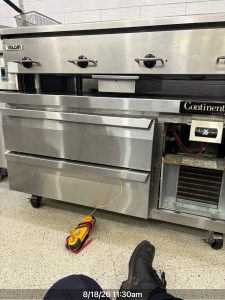
a tenant freezer was rattling

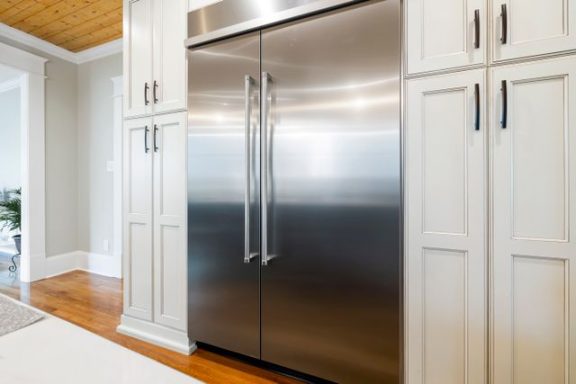
Sleek stainless steel refrigerator amidst elegant cabinetry in a bright kitchen.
The customer even measured the sound at 42–44 decibels.

They wanted to know: Was this normal, or was something wrong?

Many modern refrigerators produce sounds in the range of about 30–50 decibels, depending on the model and cooling cycle.

But measuring the sound doesn’t always tell you if something is wrong.

A sound measurement alone can’t tell you whether a refrigerator needs repair.

The type, source, and timing of the noise matter more.

A refrigerator making a steady humming sound at 44 decibels may be working normally. A refrigerator making a grinding or scraping sound at the same level may need attention.

When our technicians check a noisy refrigerator, they try to find the source of the noise by checking:

Where the sound is coming from

What the sound is like

How often it happens

How long it lasts

Whether the refrigerator is cooling properly

common refrigerator noises & what they mean

Your refrigerator has several parts that make noise during normal use. Some sounds come and go as the refrigerator cools or makes ice.

Here are some you might hear:

Humming

Often comes from the compressor or fans while the refrigerator is cooling.

Clicking

Can happen when parts turn on or off.

Buzzing

May come from fans, the compressor, or the ice maker.

Gurgling

Can happen as refrigerant moves through the cooling system.

four things to do when your refrigerator makes a strange noise

Check mark icon used for confirmation visuals
Listen for changes.

Does the sound happen all the time? Does it change when you open the door? Take note of the when the noise happens and when it doesn't.

Check mark icon used for confirmation visuals
Check that your refrigerator is cooling.

Make sure your refrigerator and freezer are keeping food at the right temperatures. Your refrigerator should be at or below 40°F, and your freezer should be at 0°F.

Check mark icon used for confirmation visuals
Record a short video.

Use your phone to record the sound. This is especially helpful if the noise comes and goes.

Check mark icon used for confirmation visuals
Call a Professional

If you hear loud rattling, grinding, or scraping, or notice that your refrigerator isn't cooling properly, it's time to get help.

When Should You Call for Refrigerator Repair?

If your refrigerator:

Makes a new or unusual rattling sound

Has a loud grinding or scraping noise

Makes noises that keep getting worse

Has frost or ice building up where it shouldn’t

Isn’t keeping your food cold

talk to a real person when you need help

Let’s get things working again.

Since 1950, our team has been here to listen to your concerns and help you find a solution.

Related Posts

Book Appointment