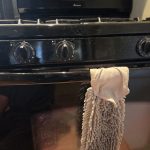
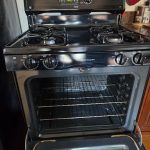
A GE gas oven that heats unevenly can make it difficult to bake or cook at a consistent temperature. During this GE range repair in Chicago, Illinois, the customer reported uneven oven temperatures and unusual heat venting. Our technician diagnosed a weak bake igniter, replaced the igniter, and tested the oven to confirm it was working properly again.
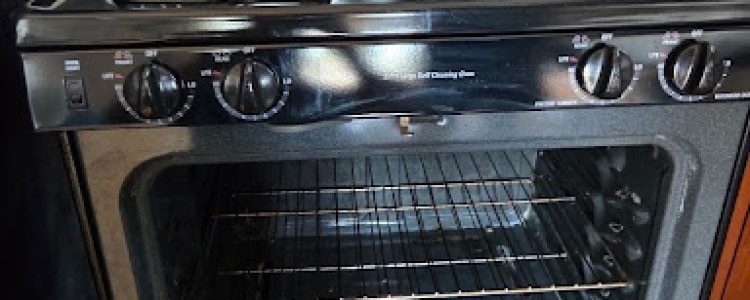
Manufacturer: GE
Appliance: Gas Range / Oven
Model: EGR3001ED1SS
Location: Chicago, Illinois 60660
Customer Concern: Oven heating unevenly and venting more heat than usual
Problem Found: Weak bake igniter
Repair Performed: Replaced bake igniter
Outcome: Oven tested and working properly after repair
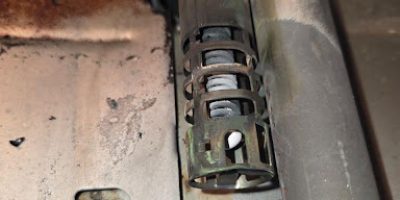
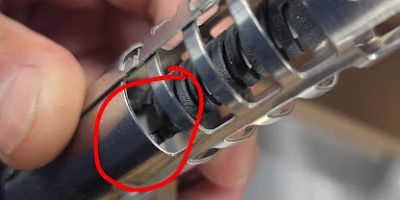
Our technician inspected the GE EGR3001ED1SS gas range and tested the oven heating system.
Testing identified a weak bake igniter that was affecting the oven’s heating performance.
Our technician replaced the weak bake igniter on the GE gas range.
After installation, the oven was tested to verify that it was heating and operating properly.
After replacing the bake igniter:
• The oven was heating again
• The new igniter was operating properly
• The oven was tested after repair
• The unit was working normally
Yes. A gas oven igniter can glow and still be too weak to operate the oven correctly.
The igniter must do more than become hot. It must draw enough electrical current for the gas safety valve to open properly.
As an igniter weakens, it may continue glowing while taking too long to open the gas valve. The bake burner may ignite late, heat inconsistently, or fail to ignite as expected.
That is why checking whether the igniter glows is not enough by itself.
The bake igniter helps start the oven’s gas heating process.
When the oven calls for heat, electricity flows through the igniter. As it heats, the igniter draws the electrical current needed for the gas safety valve to open.
Once the valve opens, gas flows to the bake burner and ignites.
If the igniter becomes weak, this process may become slow or inconsistent.
Yes. A weak bake igniter can contribute to delayed, slow, or inconsistent heating in a gas oven.
If the bake burner is not igniting when expected, the oven may have trouble maintaining the temperature selected at the control.
However, uneven heating can have other causes too, including temperature sensors, controls, gas valves, wiring, or burner problems.
That is why diagnosis matters before replacing parts.
A GE oven that suddenly begins heating unevenly can have several possible causes.
Depending on the model and symptoms, a technician may need to inspect:
• Bake igniter
• Temperature sensor
• Gas valve
• Bake burner
• Electronic controls
• Wiring and electrical connections
• Door seal
Helpful clues include slow preheating, delayed ignition, inconsistent temperatures, or an igniter that glows for a long time before the burner lights.
If your gas oven is heating unevenly or taking much longer than normal to ignite, it is a good idea to have the problem evaluated.
If you smell gas or suspect gas is flowing without proper ignition, stop using the appliance until it can be inspected.
A weak oven igniter can cause symptoms such as:
• Uneven oven temperatures
• Slow preheating
• Intermittent heating
• Longer cooking times
• Delayed burner ignition
• An oven that heats sometimes but not others
AAA Appliance Service Center provides GE oven and range repair in Chicago, Illinois, including diagnosis of gas ovens that are heating unevenly, taking too long to preheat, failing to ignite, or not maintaining temperature.
This real service call involved a GE EGR3001ED1SS gas range in Chicago 60660 with uneven heating. Testing identified a weak bake igniter as the problem.
If your GE oven isn’t heating the way it used to, you don’t have to diagnose it yourself.
These cookies are necessary for the website to function and cannot be switched off in our systems.
These cookies help us understand how visitors interact with our website.
These cookies are used to track visitors across websites to display relevant advertisements.
These cookies enable the website to remember choices you make and provide enhanced, personalised features.