
Maintaining a clean oven is about more than aesthetics—it’s about preventing mechanical failure, avoiding smoke odors, and ensuring even heat distribution. Many homeowners inadvertently damage their appliances by using abrasive tools or over-relying on high-heat cycles.
Key Cleaning Takeaways:
- The Natural Method: Use a baking soda and water paste left overnight for a deep clean. It is safer for the oven’s interior coating than harsh chemical degreasers.
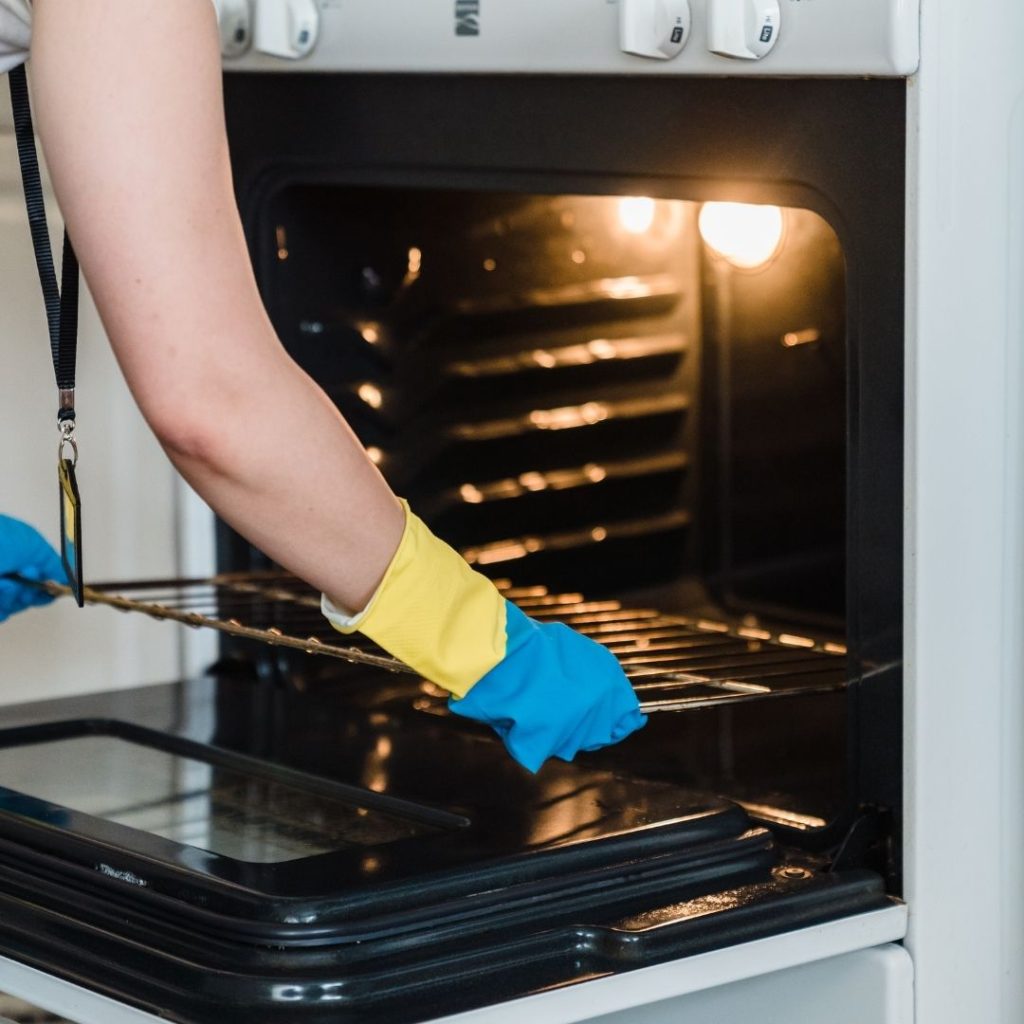
- Rack Care: Soak oven racks in hot, soapy water (in a tub) rather than leaving them in during a self-clean cycle, which can warp the metal or damage the finish.
- Self-Clean Caution: While effective, the 800°F+ temperatures of a self-clean cycle can stress internal sensors and fuses. Use this feature sparingly and ensure the room is well-ventilated.
- Instant Prevention: Place a baking sheet on the lower rack to catch drips before they burn onto the floor of the oven.
- Avoid Abrasives: Never use steel wool or harsh scrapers, as they can permanently damage the oven’s protective porcelain lining.
Expert Warning: A significant percentage of appliance service calls occur immediately after a self-clean cycle. If your oven shows error codes or fails to heat after cleaning, it likely requires a professional diagnostic to check thermal fuses or heating elements.
You use your oven constantly. Dinner, holidays, late-night pizza rescues. But when was the last time you actually cleaned it properly?
Here’s the truth we see every week in the field:
Most ovens don’t fail because they’re “old”… they fail because of buildup, improper cleaning, or using the wrong products.
Let’s fix that.
Why Oven Cleaning Actually Matters
Grease, food spills, and residue don’t just sit there quietly. Over time, they can:
- Cause smoke and odors
- Affect heating performance
- Damage internal components
- Lead to unnecessary service calls
We’ve walked into homes where the issue wasn’t the appliance… it was years of buildup working against it.
Step-by-Step: A Safer Way to Clean Your Oven
Step 1: Handle Spills Immediately (When Possible)
If something spills:
- Let the oven cool slightly
- Scrape off excess with a non-scratch tool
- For larger spills, salt can help absorb grease while still warm
👉 Pro Tip: The sooner you handle it, the less “cement-like” it becomes later.
Step 2: Soak the Racks
- Remove racks and place them in a bathtub (use a towel underneath)
- Fill with hot water + dish soap
- Let them soak for several hours or overnight
This breaks down buildup without aggressive scrubbing.
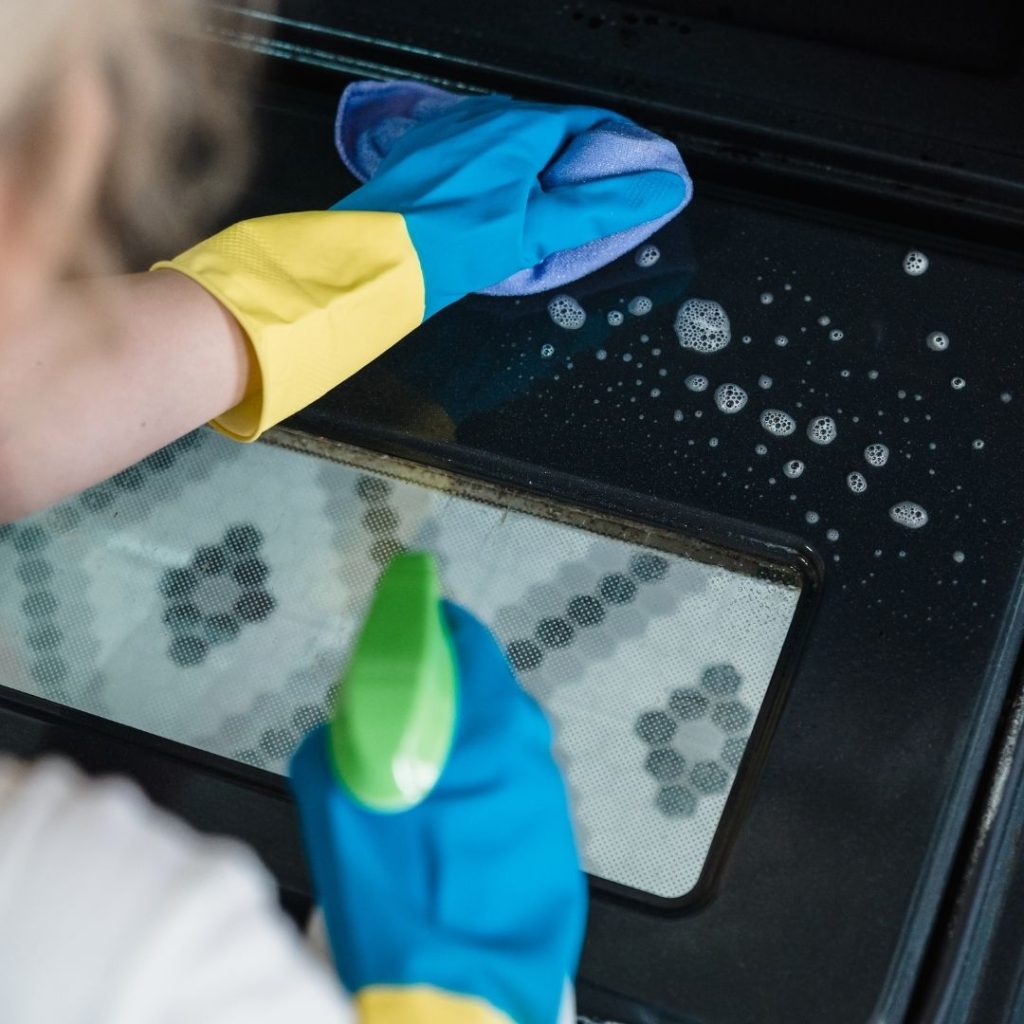
Step 3: Clean the Interior (The Right Way)
Instead of harsh chemicals:
- Use a baking soda + water paste
- Apply to interior surfaces (avoid vents and sensitive areas)
- Let sit overnight
- Wipe clean with a damp cloth
For stubborn spots, use:
- Non-scratch scouring pads
- Gentle cleaning tools (no steel wool)
Step 4: Final Rinse & Wipe Down
- Use a vinegar-based cleaner or warm water
- Wipe thoroughly to remove residue
- Dry with a clean cloth
What to Avoid (This Is Where We See Problems)
Here’s where things go sideways:
Harsh oven cleaners (like Easy-Off)
These can:
- Leave chemical residue
- Cause strong odors during cooking
- Damage internal components
Scratching interior surfaces
This can permanently damage coatings and lead to future issues.
Using self-clean incorrectly
Yes, it works… but it’s intense.
Should You Use the Self-Clean Cycle?
Self-clean cycles reach extremely high temperatures (800°F+).
They can:
- Burn off buildup
- Also stress internal components
We recommend:
- Using it sparingly
- Removing racks first
- Ventilating your space well
We see a noticeable increase in service calls after heavy self-clean usage, especially on older units.
A Simple Habit That Saves You Money
Place a baking sheet on the lower rack to catch spills.
It’s a small move that can prevent:
- Burned-on messes
- Smoke issues
- Future repairs
When It’s Time to Call a Pro
If you’re noticing:
- Persistent odors
- Smoke even after cleaning
- Uneven cooking
- Error codes
It may not be a cleaning issue anymore.
That’s where a proper diagnosis matters.
Final Thought
Cleaning your oven isn’t about perfection. It’s about prevention.
A little consistency saves you from:
- Bigger repairs
- Unexpected downtime
- Costly replacements
And if you’re not sure where to start… that’s exactly what we’re here for.