
At a Glance: How to Cut Food Waste & Optimize Fridge Performance
Reducing food waste can save the average American roughly $1,500 per year while extending the lifespan of home appliances. By combining smart shopping habits with proper refrigerator maintenance, you can lower your environmental impact and grocery bills simultaneously.
Quick Tips for Success:
- Strategic Meal Planning: Shop for specific 3-4 day windows rather than “just in case” items to prevent ingredient expiration.
- The “First In, First Out” Rule: Keep leftovers and older items at eye level and front-of-fridge to ensure they are consumed first.
- Optimal Fridge Settings: Maintain a temperature between 37-40°F to prevent premature spoilage and reduce engine strain.
- Improve Airflow: Avoid overfilling shelves; proper air circulation is essential for consistent cooling and preventing mechanical failure.
- Batch Cooking: Dedicate two days a week to meal prep to ensure groceries are utilized before they lose freshness.
Pro Tip: A “broken” fridge is often just an overpacked one. Keeping your appliance organized doesn’t just save food it prevents unnecessary service calls by allowing the cooling system to breathe.
Every year in the United States, about 80 million tons of food gets thrown away. That’s roughly 149 billion meals… or about $1,500 worth of food per person.
That’s not just leftovers. That’s groceries you paid for, planned for, and then forgot about somewhere behind the ketchup.
The good news? Reducing food waste doesn’t require a total lifestyle overhaul. A few simple habits can make a big difference and help your appliances run more efficiently too.
Plan Your Meals (Not Just Your Grocery Trip)
A lot of food waste starts before you even get home.
Instead of buying food and hoping it turns into meals later, flip the process:
- Plan meals for the next 3-4 days
- Build your grocery list from that plan
- Skip the “just in case” items
When you shop with a plan, your fridge becomes organized with purpose not a collection of random ingredients waiting to expire.

Choose 1-2 Cooking Days Per Week
One of the easiest ways to stay on track is to batch your cooking.
Try setting two cooking days per week, for example:
- Sunday
- Wednesday
Cook a few meals at once, portion them out, and store them properly.
This saves time, reduces daily stress, and makes it much more likely that food actually gets eaten instead of forgotten.
Keep Leftovers Front and Center
Out of sight really does mean out of mind.
If leftovers are hidden behind drinks, sauces, or containers, they’re easy to forget and that’s where waste happens.
Try this:
- Place leftovers at eye level
- Move older items to the front
- Make them the easiest thing to grab
Your fridge should guide your decisions, not hide them.
Set the Right Refrigerator Temperature
Your refrigerator plays a bigger role in food waste than most people realize.
- Ideal temperature: 37–40°F
- Too warm → food spoils faster
- Too cold → food freezes or loses quality
If your fridge isn’t holding temperature consistently, food won’t last as long as it should.
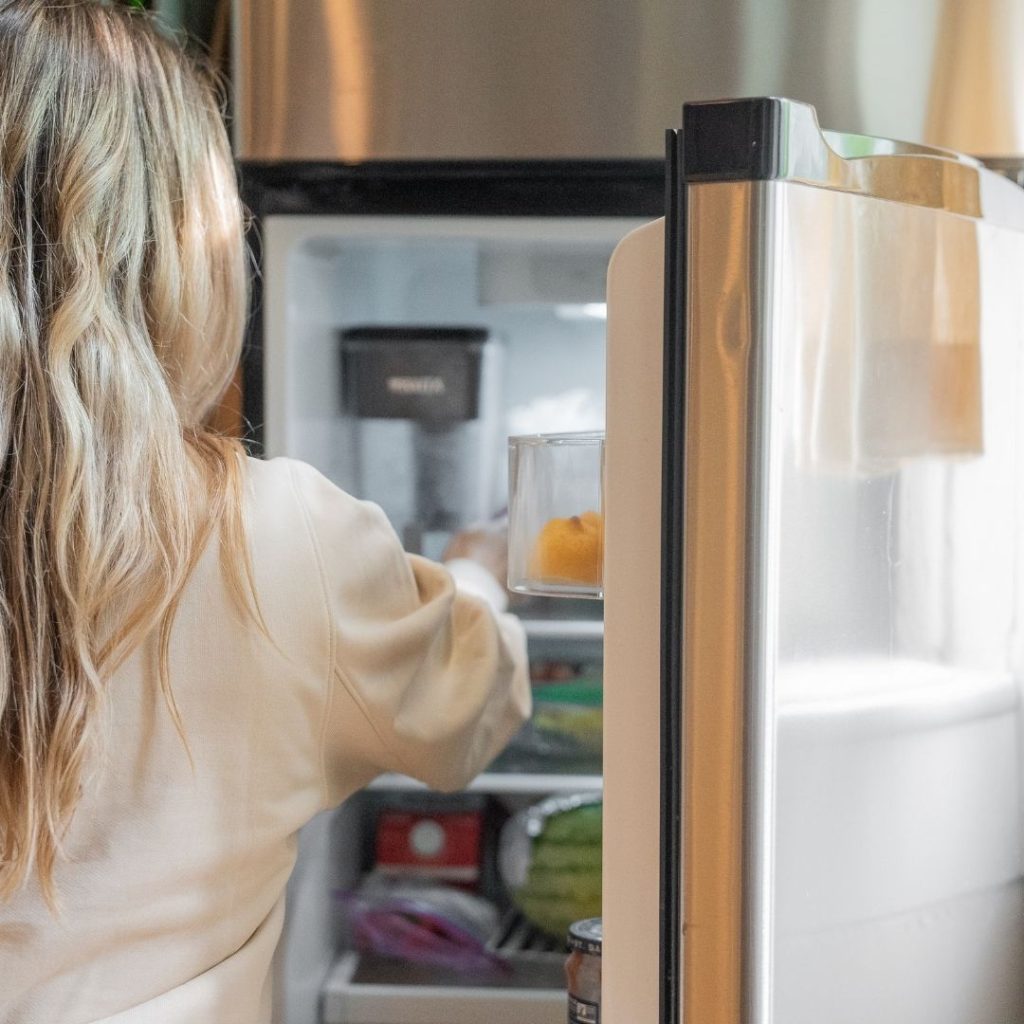
Clean and Organize Weekly
A quick weekly reset goes a long way.
- Toss expired or spoiled items
- Wipe down shelves and drawers
- Group similar items together
When your fridge is clean and organized, you can actually see what you have and use it before it goes bad.
Don’t Overfill Your Refrigerator
It might feel efficient to pack everything in, but overloading your fridge can actually cause problems.
Refrigerators need airflow to cool properly. When they’re too full:
- Cold air can’t circulate
- Some areas get warmer than others
- Food spoils unevenly
A little space helps everything last longer.
A Quick Note From the Field
We often get service calls where the issue seems like “the fridge isn’t working” but the real cause is:
- Overpacking
- Temperature settings
- Blocked airflow
Small adjustments can make a big difference in how long your food lasts.
Final Thoughts
Reducing food waste isn’t about being perfect it’s about being intentional.
A simple plan, a little organization, and a properly functioning refrigerator can save you hundreds of dollars a year. And if your fridge isn’t keeping up?
We’re here to help you get it back on track.